
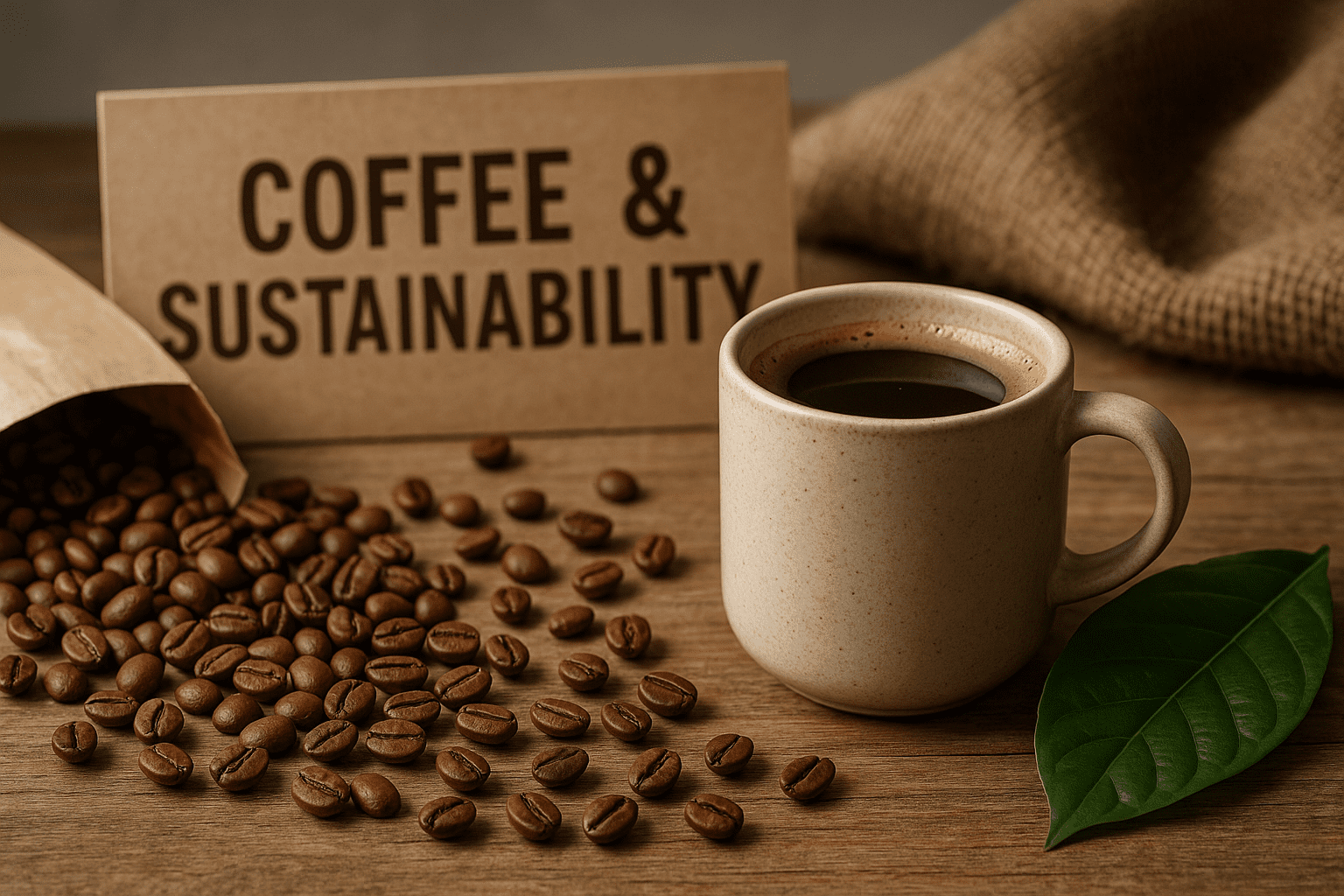
Coffee is more than just a beverage — for many people, it’s part of a daily ritual, a source of energy, and even a moment of pause in a hectic routine. But behind every cup of coffee, there’s a complex production chain with real environmental and social impacts. That’s why it’s so important to understand how to enjoy your coffee in a more sustainable way.
The Environmental Footprint of Coffee
From farm to cup, coffee goes through numerous stages: cultivation, harvesting, processing, packaging, and transportation. Each of these steps can leave a significant footprint. For instance, traditional farming methods often involve deforestation, excessive water use, and the application of harmful pesticides and fertilizers.
In addition, coffee is grown predominantly in developing countries, where farmers may face poor working conditions and low wages. According to the International Coffee Organization (ICO), over 25 million small-scale farmers around the world rely on coffee for their livelihoods.
What Is Sustainable Coffee?
Sustainable coffee refers to coffee produced in a way that considers environmental protection, social responsibility, and economic viability. This includes farming practices that:
- Minimize harm to the ecosystem
- Use fewer synthetic chemicals
- Promote biodiversity
- Support fair labor practices
- Ensure traceability and transparency in the supply chain
Many sustainable coffees carry certifications such as:
- Fair Trade
- Rainforest Alliance
- UTZ Certified
- Organic
These labels ensure that the coffee was grown and traded according to specific ethical and environmental standards.
How to Choose a More Sustainable Coffee
You don’t need to be a coffee expert or barista to make more sustainable choices. Here are some simple ways to align your coffee habits with environmental and ethical values:
1. Choose Organic Coffee
Organic coffee is grown without synthetic pesticides or fertilizers, protecting both your health and the environment. These farms often rely on natural composting methods, crop rotation, and shade-grown techniques to support long-term soil health.
2. Look for Certification Labels
Certifications like Fair Trade and Rainforest Alliance aren’t just marketing tools — they offer assurance that the coffee was produced responsibly. When shopping, take a moment to check for these logos on the packaging.
3. Support Small and Local Producers
Buying directly from small farmers, local roasters, or specialty coffee shops often means your money is going toward more sustainable and ethical practices. Many small producers focus on quality and sustainability even if they don’t have formal certifications.
4. Avoid Single-Use Coffee Pods
While convenient, disposable coffee pods generate significant waste. Consider switching to reusable pods or using traditional brewing methods like French press, pour-over, or moka pot.
5. Reuse Coffee Grounds
Don’t throw away your used coffee grounds! They can be repurposed in creative ways, such as:
- Natural fertilizer for plants
- Odor neutralizer in the fridge
- Skin exfoliant
- Cleaning scrub for pots and pans
6. Use Eco-Friendly Filters or Reusable Options
If you brew coffee at home, consider using biodegradable paper filters or reusable options like stainless-steel mesh or cloth filters. These help reduce waste while still delivering great flavor.
The Role of Brands and Cafés
While consumers play a key role in sustainable coffee consumption, brands and cafés can also make a huge difference. Positive actions include:
- Using compostable or recyclable packaging
- Reducing water and energy usage during roasting
- Offering discounts for customers who bring reusable cups
- Educating customers about sustainability
- Partnering with fair trade or organic farms
You can support sustainability by choosing businesses that reflect your values — and don’t be afraid to ask about where their coffee comes from.
Is Sustainable Coffee More Expensive?
Sometimes, yes. Sustainable or organic coffee can be slightly more expensive because it reflects better farming practices, fair wages, and environmental care. But remember, you’re paying for more than just a drink — you’re supporting a system that values people and the planet.
If budget is a concern, start small. You could switch to sustainable beans for weekend brewing or explore local brands that prioritize ethical sourcing but offer affordable options.
Small Steps, Big Impact
You don’t have to change your entire routine overnight. Start by swapping one product or habit, like using a reusable filter or trying an organic coffee brand. Every small action contributes to a larger movement toward sustainability.
And when you consider how many people drink coffee every day, these small changes add up — quickly.
A Better Future, One Cup at a Time
Sustainability doesn’t mean compromising on taste or quality. In fact, many of the world’s best coffees come from farms that prioritize environmental stewardship and social responsibility.
Being a conscious coffee consumer means thinking beyond the cup and considering the journey of the bean. It means understanding that your choices matter — not just for your personal enjoyment, but for the well-being of farmers, ecosystems, and future generations.
Next time you brew a cup, let it be a moment of mindfulness, a gesture of respect for the planet, and a toast to a better world — one sip at a time.