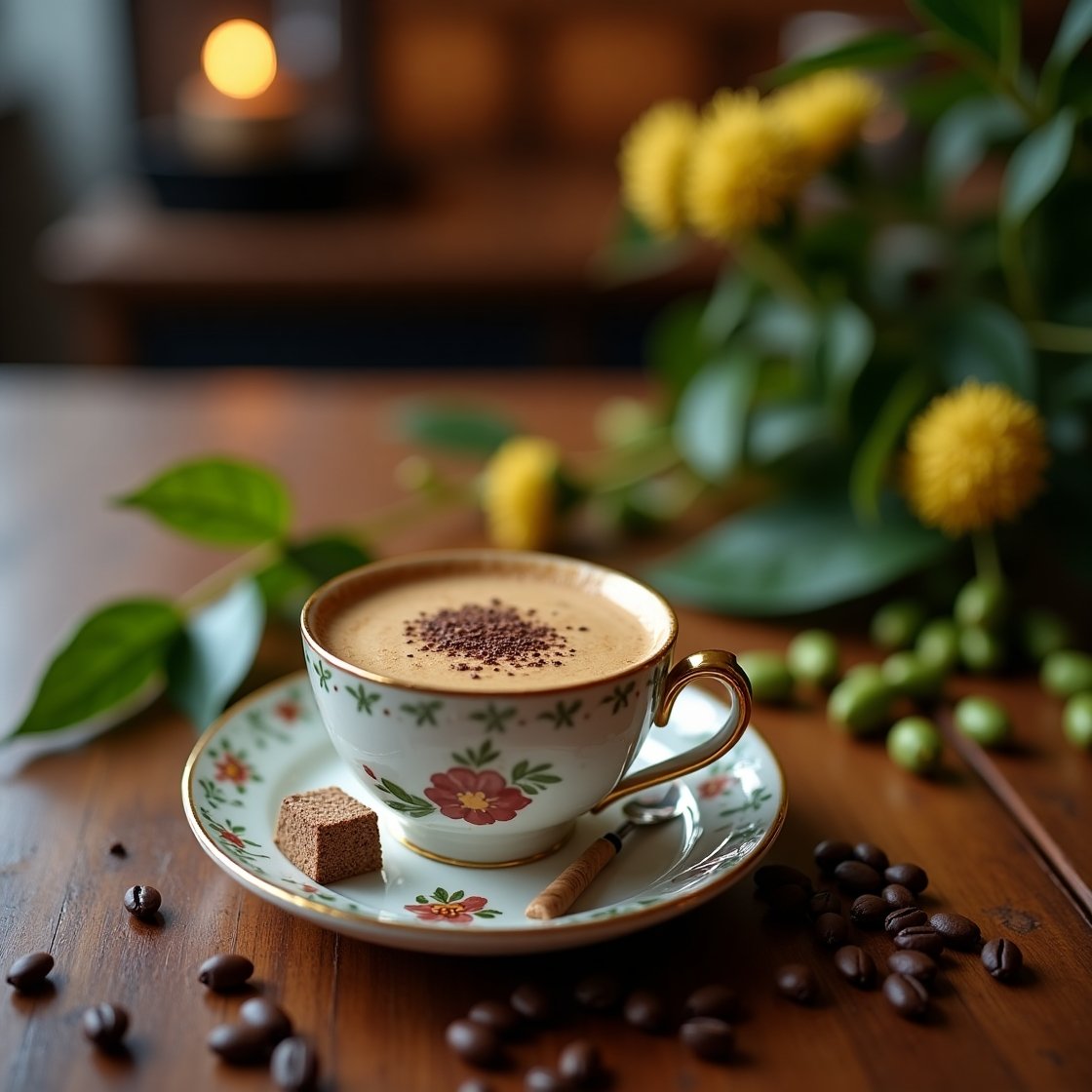
In a world where coffee is a daily habit for millions, there’s a big difference between grabbing a generic cup from a vending machine and sipping a carefully brewed, aromatic gourmet coffee. But what exactly sets gourmet coffee apart from the everyday kind? Is it just a marketing term, or is there something truly special in that cup?
Let’s break it down and uncover what makes gourmet coffee worth the hype.
What Is Gourmet Coffee? Definition, Qualities, and Flavor
Gourmet coffee refers to premium-quality beans that are cultivated, processed, and roasted with extreme care. While there isn’t a strict industry definition, the term usually applies to coffee that:
- Is made from 100% Arabica beans
- Comes from specific regions or farms
- Is roasted in small batches for flavor control
- Offers complex flavor profiles
- Is brewed with attention to detail
It’s the fine dining of the coffee world — focused on quality, not quantity.
Gourmet Coffee vs. Regular: Main Differences in Beans, Flavor, and Quality
Here’s a comparison to illustrate what sets gourmet coffee apart from regular commercial-grade coffee:
| Feature | Gourmet Coffee | Regular Coffee |
|---|---|---|
| Bean Type | Arabica (often single-origin) | Often Robusta or generic blends |
| Flavor Profile | Complex, unique, nuanced | Bitter, flat, mass-produced |
| Processing | Handpicked, carefully processed | Machine-harvested, bulk processed |
| Roasting | Small-batch, tailored to flavor | Large-scale, for consistency and shelf life |
| Freshness | Freshly roasted, labeled with roast date | Unknown roast date, longer shelf life |
| Price | Higher, reflects quality and ethics | Lower, due to mass production |
Top Regions That Produce the World’s Best Gourmet Coffee
Gourmet coffee is typically grown in high-altitude regions with ideal climates. Some of the most famous gourmet-producing regions include:
- Ethiopia – Birthplace of coffee, floral and fruity flavors
- Panama – Especially known for Geisha beans, highly aromatic
- Jamaica – Home of the rare and prized Blue Mountain Coffee
- Hawaii – Kona coffee, smooth and sweet
- Colombia – Balanced flavors, caramel and nutty tones
- Costa Rica – Bright acidity and clean finishes
These regions produce beans that are traceable, meaning you know the farm or cooperative they came from — a huge part of what makes the coffee “gourmet.”
Why Roasting Makes a Big Difference in Gourmet Coffee Flavor
One of the key features of gourmet coffee is the roasting process. Unlike large industrial operations, gourmet coffee is roasted in small batches, often by local or artisan roasters.
Why does this matter?
- Control: Each bean type has different optimal roast curves.
- Freshness: Beans are usually sold within days of roasting.
- Customization: Roasters adjust profiles to highlight specific flavors — like chocolate, berries, citrus, or spice.
You’ll often see light to medium roasts with gourmet coffee, as they preserve more of the bean’s origin characteristics.
Best Brewing Methods to Enjoy Gourmet Coffee at Home
To get the most out of gourmet beans, the brewing method matters. These are the most popular choices:
1. Pour-Over
This method gives you precision control over water flow and extraction. Perfect for single-origin gourmet beans that deserve to shine.
2. French Press
Ideal for full-bodied beans with strong flavor. It’s simple but effective, especially for darker gourmet roasts.
3. Espresso
For more complex, high-end blends. Espresso brings out the intensity and layers in gourmet beans, especially in lattes or cortados.
4. AeroPress
Great for travel and versatility. With the right grind and technique, it can deliver café-quality results with gourmet coffee.
Gourmet Coffee Flavor Notes: What to Expect in Every Sip
Gourmet coffee offers a tasting experience. Like wine or craft beer, flavors vary depending on origin and processing. You might detect:
- Floral notes like jasmine or lavender
- Fruit tones like blueberry, citrus, or plum
- Nutty or chocolaty undertones
- Hints of spice, wine, or caramel
Coffee tasting — or cupping — is a skill that can be developed, and gourmet beans are the perfect starting point.
Is Gourmet Coffee Sustainable? Ethics and Environmental Impact
Most gourmet coffee producers are deeply committed to ethical and sustainable farming. That means:
- Paying fair wages to farmers
- Practicing eco-friendly farming methods
- Avoiding harmful chemicals
- Investing in local communities
By buying gourmet coffee, you’re not just getting a better cup — you’re supporting a better system.
Is Gourmet Coffee Worth It? Price vs. Quality Breakdown
If you’re used to buying bulk supermarket coffee, gourmet beans might seem expensive. But here’s what you’re really paying for:
- Flavor experience
- Freshness and quality
- Ethical sourcing
- Craftsmanship from seed to cup
Even a $20 bag of gourmet beans can produce 20-25 cups — making it cheaper (and tastier) than most café visits.
How to Start Your Gourmet Coffee Journey: A Beginner’s Guide
Ready to explore gourmet coffee for yourself? Here’s how to begin:
- Buy whole beans from trusted roasters or specialty coffee shops.
- Invest in a burr grinder to grind fresh before brewing.
- Start simple — try a pour-over or French press.
- Taste different origins to find your preference.
- Keep beans fresh in airtight containers, away from heat and light.
Gourmet coffee isn’t about being fancy — it’s about being intentional with what you brew and how you enjoy it.
Final Thoughts: Why Gourmet Coffee Is an Experience, Not Just a Drink
Gourmet coffee is about quality over convenience. It’s for those who want more from their morning cup — more flavor, more depth, more connection to the source. Whether you’re new to the world of specialty coffee or just looking to upgrade your daily brew, exploring gourmet options is a flavorful adventure worth taking.