Coffee Lovers, Rejoice! Science Says Your Daily Habit Might Actually Be Good for You
For years, coffee has been both celebrated and criticized. Some hail it as the ultimate brain-boosting elixir, while others worry about its effects on sleep and digestion. The truth? Coffee is more than just a guilty pleasure—it’s a wellness ritual with scientifically backed benefits.
Gone are the days of feeling bad about reaching for your third cup. Research continues to highlight the numerous health perks of drinking coffee, from improving cognitive function to protecting against chronic diseases. However, before you start downing espresso shots with abandon, it’s worth understanding how to optimize your coffee habit—and separate fact from fiction.
Coffee as Brain Fuel: The Ultimate Cognitive Boost
Many people rely on coffee to kick-start their mornings or power through a long day. But have you ever wondered why coffee makes you feel sharper and more alert? The magic ingredient is caffeine, your brain’s favorite legal stimulant.
Caffeine works by blocking adenosine, a neurotransmitter responsible for making you feel tired and sluggish. As a result, coffee delivers a series of cognitive benefits, including:
✔️ Enhanced focus – Say goodbye to afternoon energy slumps ✔️ Improved reaction time – Helps with decision-making and mental agility ✔️ Mood boost – Studies show regular coffee consumption is linked to lower rates of depression
💡 Pro tip: The peak effects of caffeine hit around 30 to 60 minutes after consumption. Time your coffee intake strategically, whether it’s before a big meeting, a study session, or an intense workout.
Boosting Physical Performance: Coffee as a Workout Aid
Think of coffee as “pre-workout in a mug.” Caffeine stimulates the release of fatty acids, which helps fuel your muscles during exercise. Additionally, coffee can:
✔️ Increase endurance – Studies show caffeine can improve performance by up to 12% ✔️ Reduce perceived effort – Makes tough workouts feel easier ✔️ Minimize muscle soreness – Caffeine has mild pain-relieving properties
💡 Best for: Cardio workouts, high-intensity interval training (HIIT), or strength training sessions.
Coffee: A Natural Source of Antioxidants
Ever heard someone call coffee a superfood? Well, it turns out, they might be right. Coffee is loaded with polyphenols, powerful antioxidants that help fight inflammation and oxidative stress.
In fact, research suggests that coffee is the #1 source of antioxidants for many people, beating out fruits and vegetables combined. These compounds help protect cells from damage, reducing the risk of chronic conditions.
Coffee and Disease Prevention: More Than Just a Morning Pick-Me-Up
Your daily coffee habit could be doing more than waking you up—it might be protecting your long-term health. Studies suggest coffee consumption is linked to lower risks of:
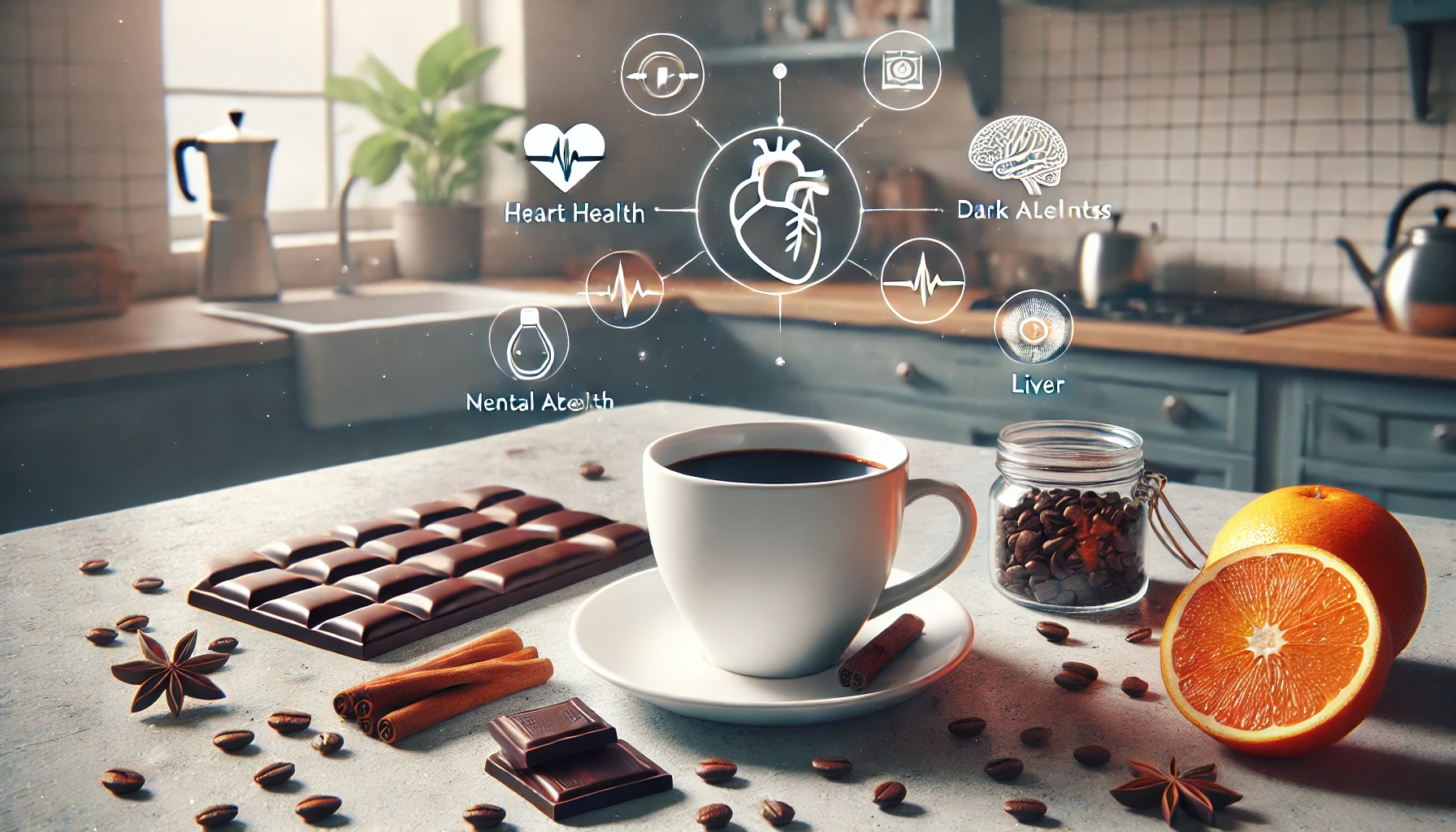
🫀 Heart disease – Moderate intake has been associated with a 15% reduction in cardiovascular disease risk 🧠 Alzheimer’s & Parkinson’s disease – Caffeine’s neuroprotective effects may help shield against cognitive decline 🍬 Type 2 diabetes – Coffee improves insulin sensitivity and helps regulate blood sugar 🫘 Liver disease – Some studies show coffee can reverse certain types of liver damage
💡 The sweet spot? Around three to four cups per day offers the best health benefits while minimizing potential downsides.
Debunking Common Coffee Myths
Despite its benefits, coffee has long been the subject of misconceptions. Here are some of the biggest myths—busted:
❌ “Coffee dehydrates you.” ✅ Truth: While coffee has a mild diuretic effect, your body quickly adapts to caffeine, and it still contributes to daily hydration.
❌ “Coffee stunts your growth.” ✅ Truth: There’s zero scientific evidence behind this claim—it’s simply an old wives’ tale.
❌ “Dark roast coffee has more caffeine.” ✅ Truth: Actually, light roast coffee contains slightly more caffeine—roasting burns off a small portion.
❌ “Coffee causes ulcers.” ✅ Truth: While coffee may irritate sensitive stomachs, most ulcers are caused by H. pylori bacteria—not coffee consumption.
When to Be Cautious with Coffee
Even though coffee has many health benefits, it’s not ideal for everyone, all the time. Here’s when you might need to moderate your intake:
🚫 Anxiety or insomnia? Avoid coffee late in the day—caffeine lingers in your system for 6+ hours. 🚫 Pregnant? Experts recommend limiting intake to less than 200mg per day (about 1-2 cups). 🚫 Acid reflux? Switch to cold brew (which has lower acidity) or pair your coffee with food. 🚫 On medication? Check with your doctor—coffee can interact with certain medications, including some SSRIs and ADHD treatments.
How to Make Your Coffee Even Healthier
The best way to enjoy coffee without ruining its benefits? Skip the sugar bombs and artificial additives.
❌ Avoid:
- Sugar-laden lattes (pumpkin spice, we’re looking at you!)
- Processed creamers (many contain harmful trans fats)
✅ Try instead:
- Cinnamon or cacao powder – Adds natural sweetness and antioxidants
- Oat milk – Gut-friendly and creamy
- Organic coffee beans – Less pesticide exposure
- Pair coffee with food – Helps prevent acidic discomfort
The Bottom Line: Coffee Is Good for You—Enjoy It Mindfully
Coffee isn’t just “okay” for you—it’s legitimately good for your brain, body, and overall wellness if consumed in moderation and without excessive sugar.
So go ahead and sip guilt-free. Your mental clarity, physical health, and long-term well-being will thank you for it.
What’s Your Coffee Ritual?
How do you take your coffee—and have you noticed any health perks? ☕ Let’s talk caffeine!